
Emetophobia In Highly Sensitive And Anxious Children: Support in Cheltenham and Online.
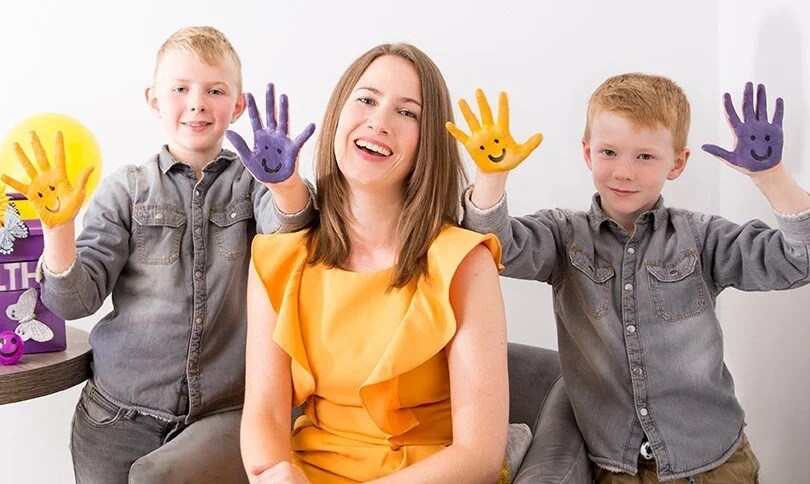
As a Psychotherapist and Coach experienced in supporting highly sensitive, neurodivergent and anxious children, I understand the unique challenges that emetophobia can pose for them and their families.
It can affect far more than how a child feels about being sick. It can influence what they eat, where they feel safe going, how they respond to everyday bodily sensations, how much reassurance they need from the people they love, and so much more.
Based In Cheltenham And Also Working Effectively With Families Online
I help children and their parents understand emetophobia, uncover what fuels the fear and work towards overcoming it, building confidence and a greater sense of freedom along the way.
What Is Emetophobia?
Emetophobia is an intense fear of being sick, or of other people being sick. It can cause a child to feel anxious even when the risk of vomiting is very low.
The child may constantly fear the worst, live on high-alert, avoid certain foods or situations, engage in repeated ‘safety’ behaviours such as excessive hand washing, and seek constant reassurance from those around them.
They may struggle with uncertainty, become hyperaware of sensations in their body or find it difficult to think about anything other than the possibility of being sick.
For some children, emetophobia can gradually begin to affect everyday life in ways that are difficult for others to understand. They may miss out on core childhood events like sleepovers, school trips or sports fixtures.
And they may become deeply upset at the thought of what should be fun family moments, such as eating out, getting on an aeroplane or enjoying a day out. These are all important experiences that, as a parent, you desperately want to reclaim and build happy memories around.
Why Emetophobia Can Feel Different for Highly Sensitive and Deep-Feeling Children
For some children, particularly those who are highly sensitive, neurodivergent or naturally deep-feeling, emetophobia can feel especially overwhelming.
They may notice bodily sensations more, experience emotions with greater intensely, process and scan their environment more deeply, become more easily overwhelmed by uncertainty or find it harder to shift their attention away from something frightening.
These differences can influence how fear develops, how it is experienced and what a particular child needs in order to move forward.
Understanding these individual needs can be an important part of finding a way forward that genuinely works for your child.
What if the way you've been trying to help is part of what's keeping the fear stuck?
When your child is frightened, reassuring them, avoiding situations that might trigger their fear and doing whatever you can to help them feel safe are entirely natural responses. You're trying to protect them from something that feels genuinely frightening.
But this creates a huge dilemma, because the things we instinctively do to ease fear and bring relief in the moment can sometimes inadvertently keep the fear going. Over time, these responses can strengthen the fear, making it harder for the child to feel safe without them.
And when a child repeatedly escapes something frightening or relies on reassurance to feel certain that everything will be okay, they may miss opportunities to discover that they could have handled the situation after all.
Gradually, fear can begin to take more control, while your child's belief in their own ability to face it diminishes.

Changing the balance of power
For over a decade now I have helped children on their journey to overcoming emetophobia. During that time, I've developed a deep understanding of what can lie beneath the fear, what keeps it going and what can help children move forward.
Rather than focusing solely on making your child feel better in the moment, I help them understand what's happening inside them, recognise the patterns that keep them stuck and gradually learn to respond differently.
They begin to discover that a frightening thought isn't a prediction, that feeling afraid doesn't automatically mean they're in danger, and that they don't have to wait until fear disappears before taking a step forward.
Through understanding, new perspectives and manageable experiences of facing what frightens them, children can begin to build confidence in their ability to cope, even when things feel difficult or unpredictable.
(Please note: this isn’t exposure therapy and doesn't involve exposure to vomiting).
The aim isn't to force a child to push through overwhelming fear or simply tolerate distress. It's to help them understand their fear, change their relationship with it and gradually build the confidence to move beyond it.
Your child grows stronger. The fear begins to lose its grip. And little by little, the balance of power changes.
Emetophobia can be overcome
The great news is that your child can learn to break free from the fear that's been holding them back. How that journey unfolds, and how long it takes, will be different for every child.
The aim is for the fear to become smaller and smaller, until it no longer has the same hold over your child's life. For some children, it may eventually become little more than an occasional niggle. For others, there may come a point when it simply no longer bothers them at all.
Overcoming emetophobia can take time, and every child's journey is different. But with the right understanding, support and experiences, it is possible for the fear to fade into the background, freeing your child to eat, go places and enjoy life without emetophobia holding them back.
“Eddie was in a permanent state of anxiety due to a fear of being sick and getting a bug. He was washing his hands frequently until sore and he’d even stopped eating his evening meal.
Thanks to Sarah, he is now eating in the evenings and no longer washing his hands until they are cracked. We’ve also been given the tools to support Eddie as a highly sensitive child and as he’s become happier and calmer, so have we.”
Your child's fear is individual. Their way forward should be, too.
Two children can both experience emetophobia and yet have quite different experiences beneath the surface.
For one child, the fear may have developed following a frightening experience of being sick. For another, it may be closely connected to a heightened awareness of bodily sensations, a strong need for certainty or a tendency to become deeply absorbed in frightening possibilities.
For some children, high sensitivity or neurodivergence may influence how they experience uncertainty, process sensations or respond to distress.
For others, fear may also be linked to shame or embarrassment. They may worry about losing control or being sick in front of other people. In my experience, some children carry significant feelings of shame after being sick in front of others, and understanding these feelings can be an important part of helping them move forward.
Often, several factors interact.
This is why I look beyond the visible fear to understand your child's particular experience and what may be keeping them stuck. When we understand more about what's happening beneath the surface, we can work towards an approach that makes sense for that individual child, rather than assuming every child needs the same solution.

You don’t have to work it out alone
Emetophobia can affect the whole family. You may find yourself constantly anticipating what might trigger your child's fear, changing plans, providing reassurance or feeling unsure whether what you're doing is helping.
My approach brings both sides of the picture together. Your child learns to understand and face their fear, while you gain a clearer understanding of what's happening beneath the surface, why certain responses can unintentionally maintain the cycle and how to support your child's progress at home.
This isn't about becoming less compassionate or leaving your child to cope alone. It's about learning how to channel that care in a way that helps them build confidence, independence and trust in themselves.
Working through the fear together can also create a shared understanding that strengthens your connection and gives you both insights that extend beyond emetophobia.
“By going through the process as a family, we have learnt together and now have a shared language that we can continue to use, not only in relation to emetophobia but also with other anxieties and issues that arise in life. The support has been invaluable.”
A different future is possible

Imagine your child gradually reclaiming the things fear has been taking away from them: feeling more at ease around food, taking part in activities and being able to enjoy life without constantly worrying about the possibility of being sick.
There isn't a magic switch, and every child's journey is different. But with the right understanding, a thoughtful approach and support that helps them move forward, things can begin to change.
Your child doesn't have to organise their life around emetophobia. And you don't have to work out how to help them on your own.
Coming in January 2027: My new and enhanced programme
Go Beyond Managing Emetophobia. Help Your Child Overcome It.
For over a decade, I've helped children work towards overcoming emetophobia. Now, I'm bringing my approach together in a comprehensive programme: Emetophobia: Take Back Your Power.
This combines comprehensive online material with personalised one-to-one support for your child and you.
You'll gain a deeper understanding of your child's fear and how to support them in moving beyond it, while your child learns to understand their fear, build confidence and gradually take back its power.
Register your interest below to be among the first to hear about the launch and access exclusive, limited-time launch offers.

The sooner you seek support for your child’s emetophobia the better. Together we can work towards understanding and overcoming these fears.
My unique approach brings awareness to the often overlooked impact of being highly sensitive, deep-feeling or neurodivergent, helping both children and adults understand these nuances better.
I can work with you both in person if you’re near Cheltenham, UK, or online, in the comfort of your home.
“The best part of working with Sarah was her approach to our daughter and the child-friendly guidance. The communication and supporting resources were also excellent (which we’re still using). Most importantly it kept our daughter fully engaged.
Emmie now has an excellent understanding of how and why her emetophobia manifests and has the tools to help her. We continue to make huge progress. Thank you Sarah so very much!”
“It felt like emetophobia was taking over our family and we were all spiralling. I feel so much more in control now as their parent, and we can now openly talk about the fear, which previously felt dangerous to do. We have made a lot of progress and I feel equipped to continue helping them.”

Ready To Take The Next Step?
I understand that the journey has been challenging for you and your child, and you deserve the best support possible. I’m here to help.
Contact me today to get the ball rolling and to let the transformation begin.